
A new way to explore
contemporary art and ideas
The politics of care in contemporary art
Care is emerging as a central artistic and political practice, highlighting interdependence, vulnerability, and community resilience.
[ e-flux ]
[ e-flux ]
Geopolitics and Contemporary Art, Part I: From Representation’s Ruin to Salvaging the Real
Maps a historical shift from 1960s–70s militant, programmatic politics of representation (internationalism, anti-imperialism, institutional critique) to a neoliberal “post-politics” where antagonism is neutralized, otherness is commodified as lifestyle, and power operates impersonally through infrastructures, governance, and biopolitical management. Contemporary art is read as both symptom and agent of this condition—moving from dematerialization and counter-information to biennialized site-specificity, relational/participatory ‘salvaging the real,’ and renewed institutional activism—while remaining haunted by complicity, depoliticized ethics, and the unresolved question of whether art can generate effective counter-power rather than pacification and gentrification.
Read more
[ e-flux ]
[ KADIST ]
[ KADIST ]
Parallel Narratives
Art is mobilized as a counter-historiographic and socially operative practice that intervenes in official channels, proposing speculative transpacific genealogies to unsettle Eurocentric chronologies and the geopolitical partitioning of space, time, and culture.
Through participatory platforms and legislative activism—from non-monetary exchange networks to polyamorous marriage petitions—Camacho Herrera advances a Spinozist-inflected critique of normative institutions, reframing art as a catalyst for collective agency and alternative social futures.
Read more
[ KADIST ]
[ KADIST ]
[ KADIST ]
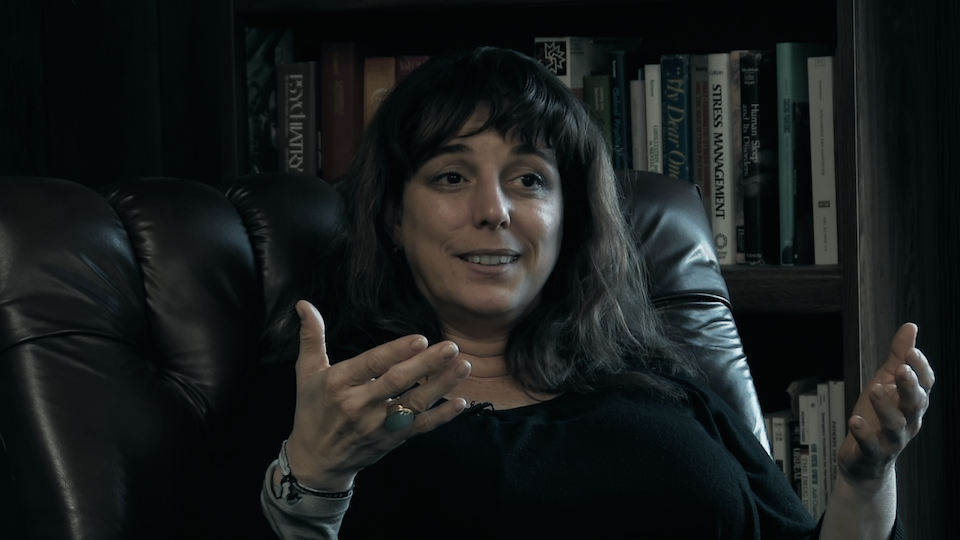
Tania Libre
Frames artistic practice as a universal right and ethical obligation to dissent, staging Tania Bruguera’s manifesto and testimony as a theory of art’s political agency under authoritarian constraint. Through trauma-therapy dialogue, it links state surveillance and familial complicity to embodied repression, aligning Hershman Leeson’s long-standing concerns with identity, privacy, and the real/virtual politics of control within socially engaged and feminist-inflected documentary traditions.
Read more
[ KADIST ]
[ e-flux ]
[ e-flux ]
Tania Wins, Civil Rights Continue to Lose
Frames Tania Bruguera’s “aRtivism” as a preprogrammed action–reaction apparatus that converts state censorship into symbolic capital for the international art circuit, while externalizing risk onto those who must live under Cuba’s everyday regime of spatial control. Mobilizing Foucauldian notions of power over public space and a critique of spectacle politics, it argues that provocation and media amplification substitute for durable civil-rights gains, exposing the unresolved tension between using civil rights as artistic medium versus using art as an effective tool of political struggle.
Read more
[ e-flux ]
Back to top