

A new way to explore
contemporary art and ideas
How do personal and collective memories shape contemporary identity?
Artists increasingly mine archives, family records, and historical silences to question how memory is constructed, inherited, or erased—revealing the politics behind what societies choose to remember or forget.
[ e-flux ]
[ e-flux ]
A Palace of Unsaids
Stages a collision between Holocaust memory, contemporary fascist resurgence, and privatized mental health, arguing that remembrance has become an administered form of affective labor whose archives are structurally vulnerable to commodification, forgetting, and political reversal (Derrida, Agamben, Sontag). Through memorial architecture, family silence, and art-market spectacle, it critiques nationalism as trauma-management and proposes a fraught dialectic of remembering/forgetting as the ethical work of subjectivity in late capitalism’s camp-like political space.
Read more

[ e-flux ]
[ KADIST ]
[ KADIST ]
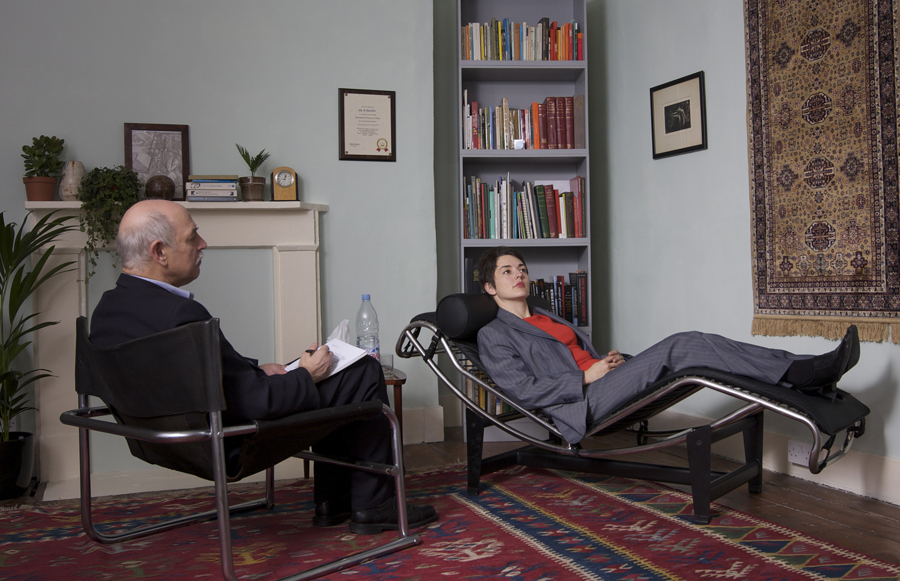
Product Recall
A staged psychoanalytic “recall” session collapses memory-work into the logic of corporate product recalls, exposing how branding colonizes the unconscious while remaining strangely forgettable at the level of individual recollection. By embodying both subject and corporation, the work mobilizes institutional critique and psychoanalytic theory to interrogate collective memory, legal-economic power, and the conditions for intellectual autonomy under multinational dominance.
Read more
[ KADIST ]
[ KADIST ]
[ KADIST ]
Collective Memories: Beijing Hotel
A strategic return to painting reframes urban transformation as a problem of memory, staging a dialectic between external modernization and internal reflection while testing how “traditional” media can be reactivated through experimental, participatory methods.
Collective thumbprint images of revolutionary-era sites operate as a social index of authorship and belonging, critiquing globalization’s erasures by materializing collective memory as fragile, distributed, and perpetually negotiated between reality and fiction, past and future.
Read more

[ KADIST ]
[ e-flux ]
[ e-flux ]
Blame It on Gorbachev: The Sources of Inspiration and Crucial Turning Points of Inke Arns
Maps a genealogy of post-socialist and translocal media-art discourse—from Gorbachev-era linguistic desire and NSK/Laibach’s subversive affirmation to network culture (Syndicate) and the politics of discourse—arguing that over-identification and distributed infrastructures can resist the late-capitalist recuperation of critique.
Reframes contemporary temporality through retro-utopianism, media archaeology, and re-enactment as methods for reactivating “past potential futures,” reopening access to traumatic or occluded histories, and exposing how memory, authorship, and technological imaginaries are continuously mediated, contested, and re-legibilized.
Read more
[ e-flux ]
Back to top