

A new way to explore
contemporary art and ideas
Can art provide models for post-capitalist futures?
From cooperatives to commons, artists experiment with alternative economies and relationships to value.
[ KADIST ]
[ KADIST ]
Parallel Narratives
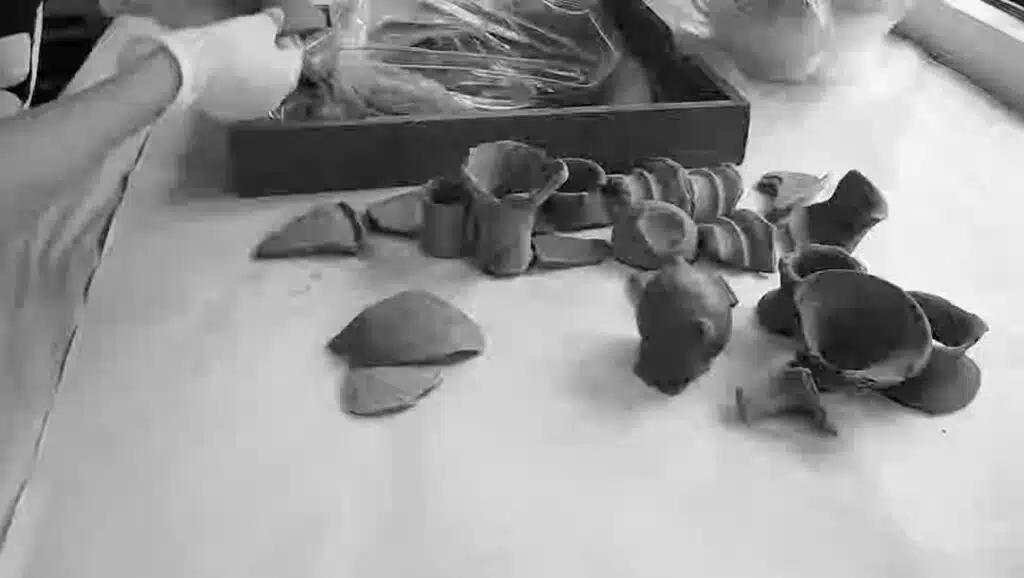
Art is mobilized as a counter-historiographic and socially operative practice that intervenes in official channels, proposing speculative transpacific genealogies to unsettle Eurocentric chronologies and the geopolitical partitioning of space, time, and culture.
Through participatory platforms and legislative activism—from non-monetary exchange networks to polyamorous marriage petitions—Camacho Herrera advances a Spinozist-inflected critique of normative institutions, reframing art as a catalyst for collective agency and alternative social futures.
Read more
[ KADIST ]
[ e-flux ]
[ e-flux ]
Artist Against Artist
Diagnoses intra-artistic policing—envy, resentment, opportunism, and gendered disparagement—as a parallel apparatus to state censorship, where symbolic capital (prizes, visibility, institutional access) drives artists to become moral inquisitors and anonymous “snipers” who erase peers through discourse and gatekeeping.
Opposes these necropolitical dynamics with solidaristic, alternative infrastructures (Aglutinador and related projects) and reclaims anarchic avant-garde lineages like Proyecto G to argue for plural publics and non-orthodox cultural memory against institutionalized regimes of evaluation and historical legitimation.
Read more
[ e-flux ]
[ e-flux ]
[ e-flux ]
Framing Artwork
Artistic labor is framed as a constitutive feedback loop between two contradictory paradigms—utopian, self-valorizing creativity and alienated, exploitative production—each underwriting different claims about what art can do (prefigure liberation vs. unveil false consciousness). Warhol’s “social factory” and Beuys’s “social sculpture” are read as mutually implicated models that expose how contemporary art’s value is simultaneously economic and libidinal, demanding critique beyond political economy to grasp how institutions monetize desire while preserving a remainder of transformative promise.
Read more
[ e-flux ]
[ KADIST ]
[ KADIST ]
Life
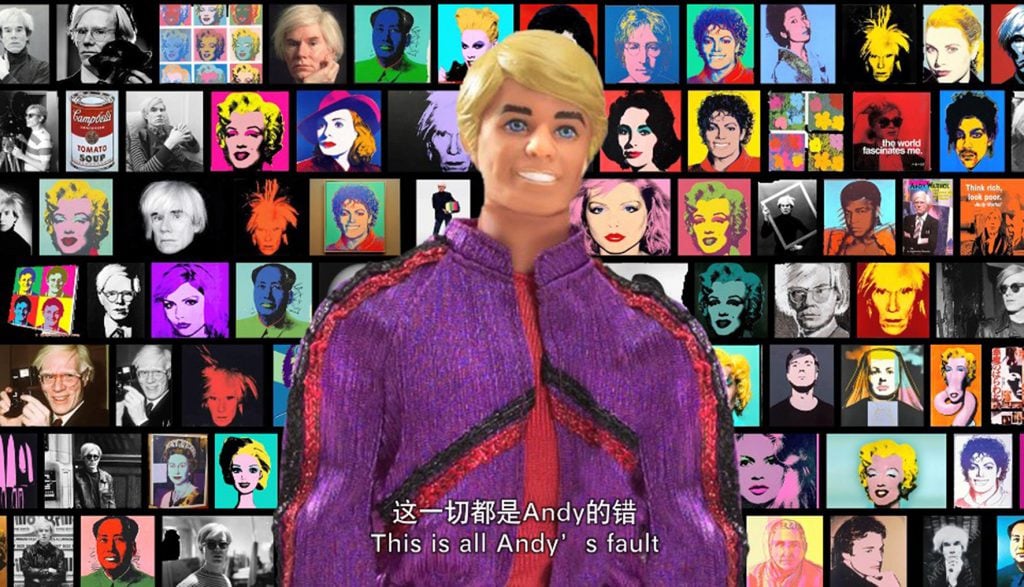
Culture-jamming appropriations of Warholian Pop iconography and a retro Ken doll collapse the boundary between canonical art and mass-produced commodities, foregrounding the artist’s afterlife as a reproducible brand within art-historical consciousness. By staging humor as critique, the work mobilizes postmodern theories of simulacra and mechanical reproduction to question the ethics and mediation of contemporary art production in a post-industrial image economy.
Read more
[ KADIST ]
Back to top